
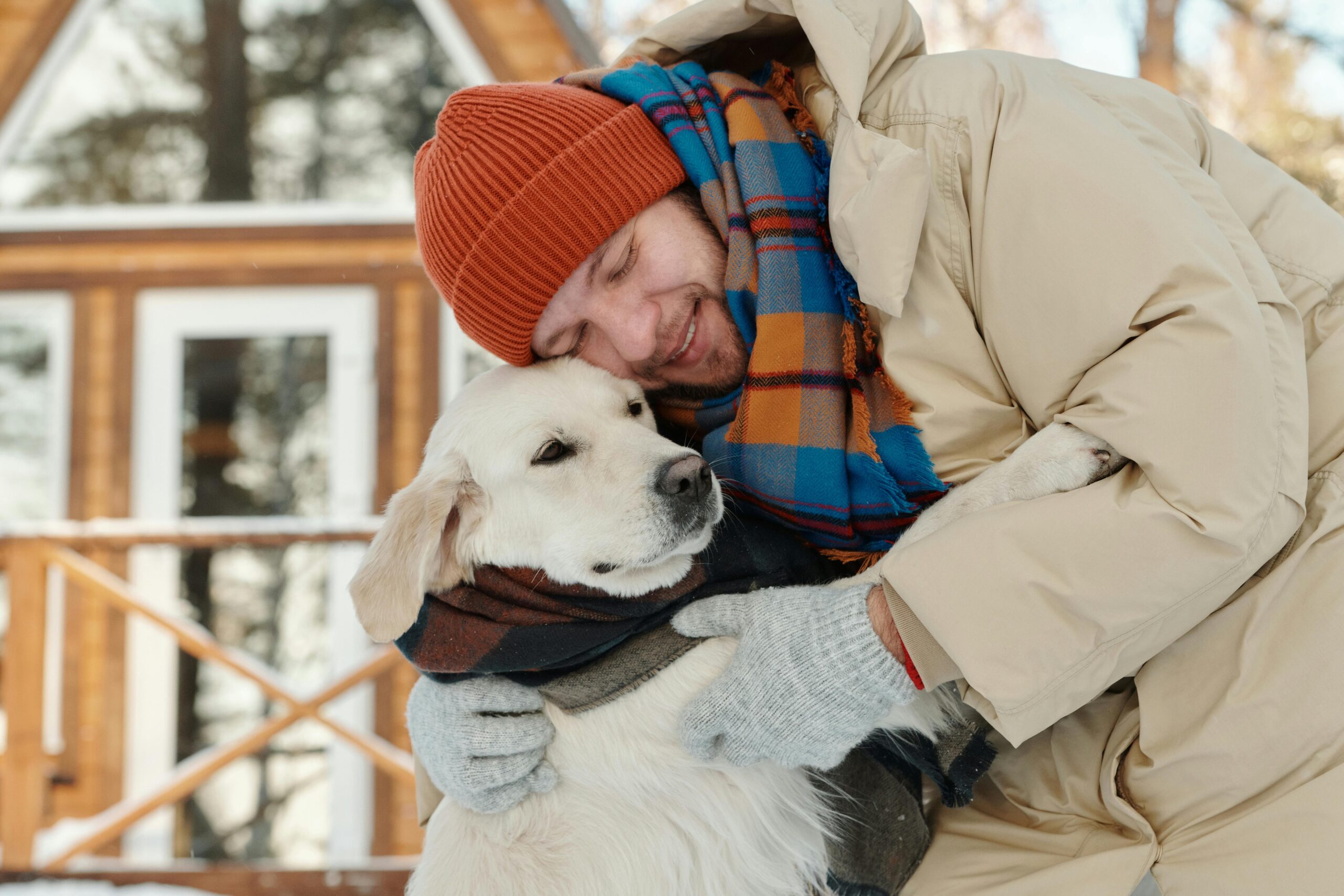
Cold weather can pose serious health risks for pets, especially dogs and cats who spend time outdoors. Even short exposure to freezing temperatures can lead to emergencies that require prompt attention. Knowing the signs and taking preventive measures can keep your pets safe and healthy throughout the winter.
Hypothermia
Hypothermia occurs when a pet’s body temperature drops below normal. Small breeds, short-haired dogs, elderly pets, and kittens are particularly vulnerable. Symptoms include shivering, lethargy, slow breathing, and weakness. If untreated, hypothermia can be life-threatening.
How To Prevent Hypothermia
- Limit outdoor time during extreme cold.
- Provide warm bedding and shelter for pets that stay outside.
- Consider dog sweaters or jackets for sensitive breeds.
Frostbite
Frostbite happens when a pet’s extremities, such as ears, paws, and tail, freeze due to cold exposure. The affected area may appear pale, gray, or blue and can feel cold or hard. Severe frostbite can lead to tissue damage and may require veterinary care.
Preventing Frostbite
- Avoid leaving pets outside for long periods.
- Use booties to protect paws and check paws regularly for cracks or discoloration.
- Dry your pet thoroughly after walks in snow or wet conditions.
Salt And Chemical Burns
During winter, sidewalks and roads are often treated with salt or de-icing chemicals. These can irritate or burn your pet’s paws and even cause toxicity if ingested.
Prevention Tips
- Rinse and dry your pet’s paws after walks.
- Use pet-safe de-icing products at home.
- Keep an eye on pets that like to lick their paws.
Respiratory Issues
Cold, dry air can worsen respiratory conditions in pets, especially in brachycephalic breeds like Bulldogs and Pugs. Pets with asthma or chronic bronchitis are also at higher risk during winter months.
How To Reduce Risk
- Limit strenuous outdoor activity in extremely cold weather.
- Keep pets indoors when temperatures drop significantly.
- Monitor for coughing, wheezing, or labored breathing and seek veterinary care if symptoms appear.
Emergency Response Tips
If you suspect your pet is suffering from hypothermia, frostbite, or any cold-related condition:
- Move your pet to a warm, dry area immediately.
- Use blankets or warm water bottles to gradually raise body temperature.
- Avoid direct heat like heating pads or hair dryers, which can cause burns.
- Contact Alta Vista Animal Hospital at 604-221-5858 for guidance and emergency care.
Keeping Pets Safe This Winter
Cold weather emergencies are preventable with awareness, preparation, and proper care. Monitoring your pet, limiting exposure, and taking preventive measures can ensure a safe and comfortable winter season for your furry companions.