
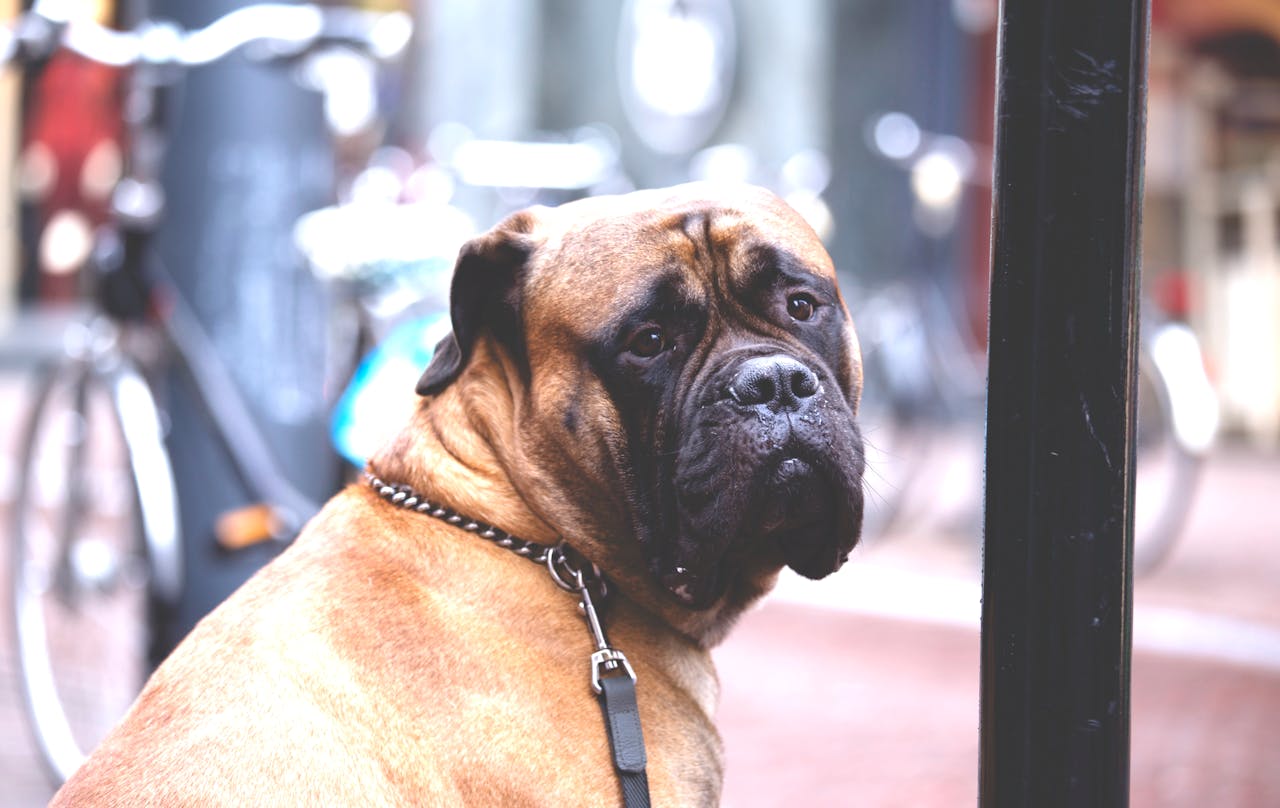
Owning a large dog breed comes with its fair share of joys — their loyalty, playful nature, and sometimes their gentle giant personalities. But as much as they bring happiness, large dogs can also face some unique health challenges, particularly when it comes to orthopedic issues. Large dog breeds are more susceptible to joint and bone problems, and it’s essential for pet owners to stay informed so they can provide the best care for their furry friends.
Hip Dysplasia
One of the most common orthopedic issues in large dog breeds is hip dysplasia. This condition occurs when the hip joint doesn’t develop properly, leading to a looseness in the joint that can cause pain, inflammation, and eventually arthritis. While it’s most often genetic, factors like obesity and rapid growth can make it worse.
What to Watch for:
- Difficulty getting up or jumping
- Limping or favoring one leg
- Stiffness after rest or exercise
- Decreased activity levels
Regular vet check-ups are essential for catching this condition early. At Alta Vista, we can help diagnose hip dysplasia through X-rays and suggest treatment options like weight management, joint supplements, or surgery if needed. If your large dog shows any of these symptoms, give us a call.
Elbow Dysplasia
Similar to hip dysplasia, elbow dysplasia is another joint issue common in large dog breeds. This condition happens when the elbow joint doesn’t form correctly, leading to arthritis and pain over time. It’s particularly common in breeds like Labrador Retrievers, German Shepherds, and Golden Retrievers.
What to Watch for:
- Lameness or limping in one or both front legs
- Stiffness, especially after rest
- Difficulty getting up or climbing stairs
- Decreased interest in play or exercise
Elbow dysplasia can be managed through physical therapy, joint supplements, pain management, and sometimes surgery. Early detection is key, so be sure to keep an eye on your dog’s mobility and contact us if you notice any concerning signs.
Osteoarthritis
As large dogs age, they’re more likely to develop osteoarthritis (OA) in their joints. This condition, which involves the gradual breakdown of cartilage in the joints, can cause significant discomfort. OA is often seen in the hips, elbows, and knees of large dogs but can affect any joint.
What to Watch for:
- Reluctance to move or exercise
- Limping or stiffness in the morning
- Difficulty climbing stairs or getting in and out of the car
- Behavioral changes, such as irritability or excessive licking of joints
While there’s no cure for osteoarthritis, there are many ways to manage the symptoms. Medications, joint supplements, and weight management can help reduce pain and improve mobility. Our team at Alta Vista is experienced in treating OA, and we can tailor a care plan specific to your dog’s needs.
Cruciate Ligament Injuries
A cruciate ligament injury is a common injury in large dogs, especially those that are active or overexert themselves. The cruciate ligament helps stabilize the knee joint, and if it’s torn or damaged, it can lead to pain, lameness, and arthritis. It’s particularly common in breeds like Rottweilers, Saint Bernards, and Great Danes.
What to Watch for:
- Sudden lameness in the back leg
- Difficulty standing up or walking
- Swelling around the knee joint
- Pain when the knee is touched or manipulated
If you suspect a cruciate ligament injury, it’s important to seek veterinary care right away. Treatment can vary depending on the severity of the injury, from conservative management with rest and anti-inflammatory medication to surgery to repair or replace the ligament. Our team can help assess your dog’s condition and guide you through the best treatment options.
Intervertebral Disc Disease (IVDD)
Large dog breeds, particularly those with long backs like the Dachshund or Corgi, are more prone to intervertebral disc disease (IVDD). This condition occurs when the discs between the vertebrae in the spine degenerate or rupture, pressing on the spinal cord and causing pain, weakness, or even paralysis.
What to Watch for:
- Back pain or sensitivity to touch
- Difficulty walking, dragging legs, or stumbling
- Muscle weakness or loss of coordination
- Sudden lameness or inability to walk
IVDD requires prompt medical attention to manage symptoms and prevent further damage. Treatment may involve pain management, anti-inflammatory medications, or in more severe cases, surgery to remove the damaged disc. If you notice any signs of back pain or weakness, call us immediately for an evaluation.
Keeping Your Large Dog Healthy
As a pet parent to a large breed dog, it’s important to be proactive about their orthopedic health. Here are some tips to help keep their joints and bones in tip-top shape:
- Maintain a healthy weight: Excess weight puts additional strain on the joints, so it’s essential to monitor your dog’s weight and adjust their diet as needed.
- Provide regular exercise: Gentle exercise, like walking and swimming, can help keep joints limber without causing strain. Avoid intense activities like jumping or running on hard surfaces.
- Joint supplements: Supplements like glucosamine and chondroitin can support joint health and reduce inflammation.
- Routine check-ups: Regular vet visits are key to catching orthopedic issues early. We’ll keep an eye on your dog’s mobility and recommend any necessary tests or treatments.
Large dog breeds may face some orthopedic challenges, but with early detection and proper care, your furry friend can enjoy a comfortable, active life. If you have any concerns about your dog’s joints or mobility, don’t hesitate to reach out to Alta Vista Animal Hospital. Call us at 604-221-5858 to book an appointment or speak with one of our experienced veterinarians.