
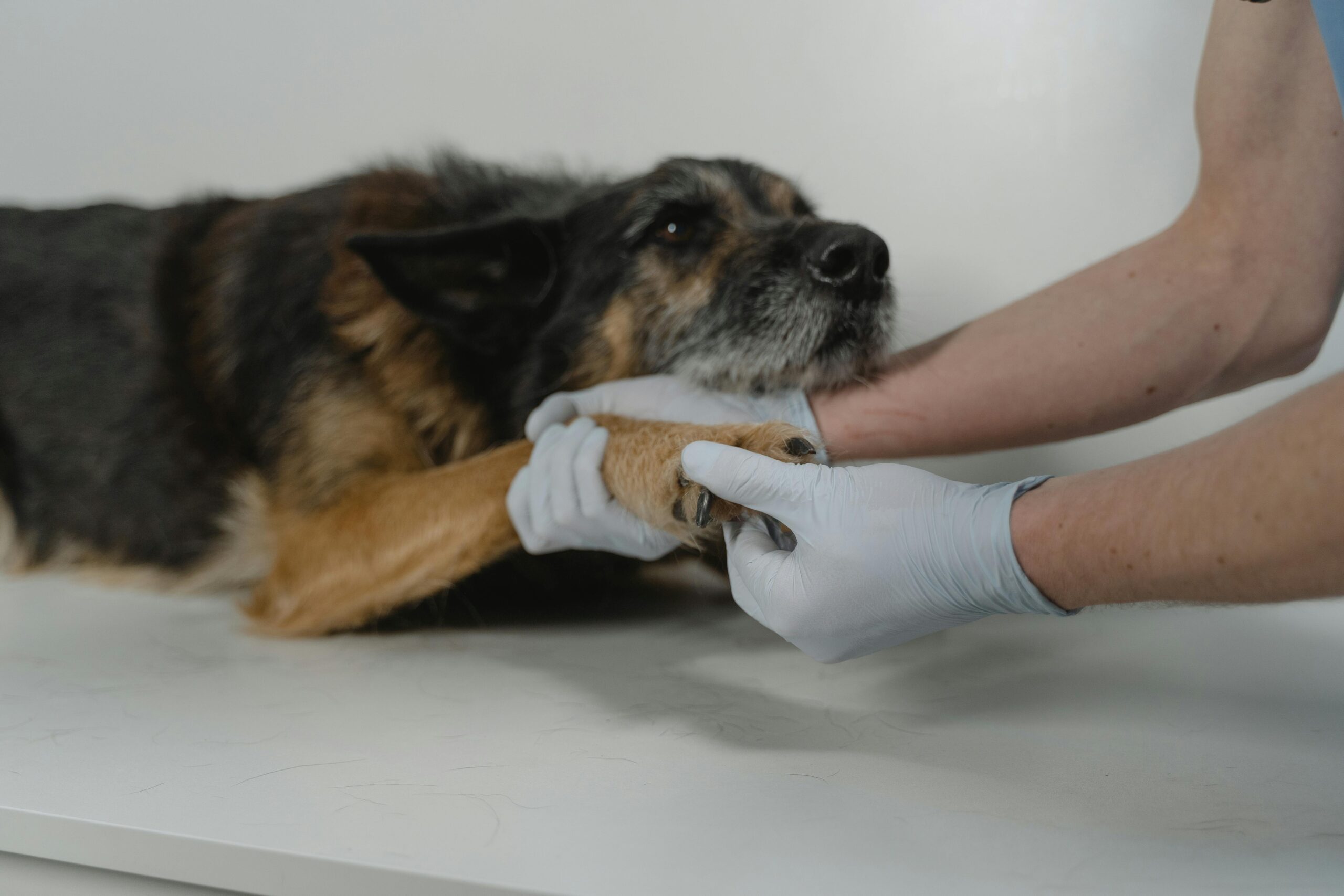
March marks the beginning of peak flea and tick season in Vancouver and the surrounding Dunbar area. As temperatures warm, parasite eggs hatch and populations grow rapidly. A single female flea can produce hundreds of offspring within weeks, infesting your home and your pet’s skin. Ticks emerge from dormancy and actively seek hosts in grass and vegetation near Pacific Spirit Regional Park and throughout residential neighborhoods. Prevention is far simpler and more cost-effective than managing an established infestation. Dunbar pet owners should start preventive products immediately, even before seeing parasites on their pets. Alta Vista Animal Hospital provides personalized prevention recommendations tailored to your pet’s age, weight, lifestyle, and health. Schedule a consultation for Medical Services in Dunbar and Diagnostics in Dunbar to ensure your pet receives appropriate preventive care this spring.
Why Prevention Works Better Than Management
Managing an established flea or tick infestation is far more difficult, expensive, and stressful than preventing one. Once fleas are present, they hide in carpets, bedding, furniture, and your pet’s fur, requiring intensive home care alongside supportive measures for your pet. Flea infestations cause severe itching, hair loss, skin secondary concerns, and hypersensitivity responses in sensitive pets. Some dogs and cats become so sensitive to flea saliva that a single bite triggers intense itching and weeks of discomfort. Ticks transmit serious illnesses including Lyme disease, anaplasmosis, and babesiosis that can cause lasting health concerns. Some tick-borne illnesses show no visible signs for weeks or months before serious illness appears. Prevention eliminates these risks. Modern preventive products are safe, effective, and applied monthly or quarterly depending on the product. Most work through multiple mechanisms, eliminating parasites at different life stages and preventing reproduction. Starting prevention now, before parasites establish populations, is the most effective approach. Our Dunbar team can recommend products that work best for your specific pet.
Choosing the Right Prevention Strategy for Your Pet
Preventive products vary in efficacy, safety profile, and duration of protection. Some products are administered by mouth, while others are applied to the skin. Some prevent fleas only, while others prevent both fleas and ticks and may include additional parasite prevention. Your pet’s age, weight, health status, and lifestyle help determine the ideal product choice. Young and senior pets require age-appropriate products. Pets with certain health conditions may need specific options. Indoor cats and outdoor dogs face different exposure risks, influencing product selection. Some pets tolerate oral products better than topical applications, or vice versa. Our Dunbar veterinary team evaluates your pet’s specific needs and recommends the most appropriate prevention strategy. We can discuss your pet’s lifestyle, any previous product responses, and your administration preferences. Our Wellness Program in Dunbar combines the right product with education about environmental prevention, creating the most comprehensive approach to keeping your pet protected.
Environmental Control and Year-Round Prevention
Prevention is most effective when combined with environmental management. Spring cleaning is an ideal opportunity to thoroughly wash all pet bedding in hot water and dry on high heat, eliminating flea eggs and larvae. Vacuuming frequently removes flea pupae from carpets and upholstered furniture. Maintaining a clean yard by removing brush piles, reducing clutter, and regular lawn care reduces tick habitat. However, environmental control alone is insufficient. Professional-grade preventive products are essential because they kill parasites on your pet before populations establish or disease transmission occurs. Year-round prevention is ideal, even during Vancouver’s mild winters, because some parasites survive seasonal changes. Fleas can develop indoors year-round since home heating creates warm environments where they thrive. Starting prevention now in March and continuing through fall provides comprehensive protection. Our Dunbar team can help you establish a prevention schedule that keeps your pet protected throughout the year while fitting your budget and lifestyle.
Frequently Asked Questions
Q: When should I start flea and tick prevention in spring?
A: Start immediately in March, even if you haven’t seen parasites yet. Early prevention is far more effective and affordable than managing an infestation.
Q: Are over-the-counter flea products as good as veterinary products?
A: Over-the-counter products often lack the efficacy and safety testing of veterinary-grade options. Our Dunbar team recommends professional-grade products and can discuss options that fit your budget.
Q: How often do I need to apply prevention?
A: Most products are applied monthly or quarterly depending on the specific product. Our team will discuss the schedule that works best for your pet’s needs.
Q: What if my pet shows a reaction to prevention?
A: Reactions are uncommon with modern professional products, but contact us immediately if your pet shows unusual symptoms. Alternative options are available.
Q: Does my indoor cat need flea prevention?
A: Yes. Fleas can enter homes on humans’ clothing and belongings. Indoor cats benefit from prevention to eliminate risk. Tick prevention is less critical for strictly indoor cats.
Q: Is prevention safe for kittens and puppies?
A: Safety depends on the specific product and your pet’s age. Always discuss your young pet’s age and health status with our Dunbar team before starting any preventive product.
Spring brings outdoor adventure and longer days with your pet. Protect them from parasites this season. Contact Alta Vista Animal Hospital at (604) 221-5858 to book a prevention consultation. We’re located at 4543 Dunbar St, Vancouver, BC V6S 2G7.
Published by the team at Alta Vista Animal Hospital.
This article is for general educational purposes only and does not constitute veterinary advice. Always consult a licensed Veterinarian before making decisions about your pet’s health. If you have concerns, contact Alta Vista Animal Hospital at (604) 221-5858.