
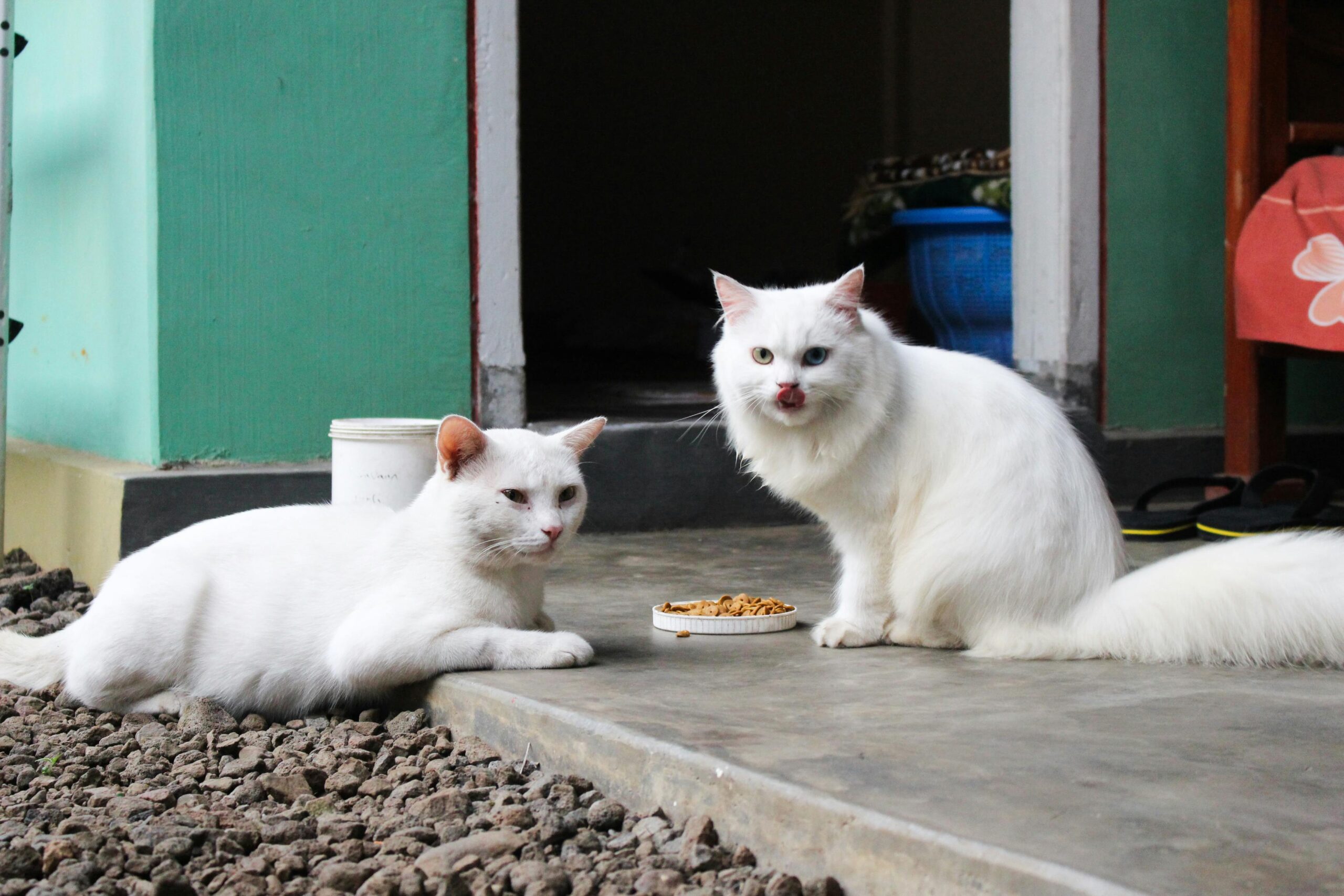
Pet owners today have more feeding options than ever before. Beyond traditional commercial diets, many people are exploring raw or home-cooked meals for their dogs and cats. While these diets can offer benefits, they also come with risks if not planned carefully. At Alta Vista Animal Hospital, we often help pet owners navigate these choices safely and realistically.
Understanding Raw Diets
Raw diets typically include uncooked meat, bones, organs, and sometimes vegetables or supplements. These diets are often chosen to mimic what pets might eat in the wild.
Potential Benefits of Raw Diets
Some pet owners report:
- Improved coat condition and skin health
- Smaller, firmer stools
- Increased enthusiasm for meals
Raw diets may be appealing for pets with certain food sensitivities, but benefits vary widely depending on formulation and individual health.
Risks of Raw Diets
Raw feeding carries important concerns:
- Bacterial contamination such as Salmonella or E. coli, which can affect pets and people
- Nutritional imbalances if the diet is not properly formulated
- Risk of broken teeth or intestinal injury from bones
These risks are higher in households with young children, seniors, or immunocompromised individuals.
Understanding Cooked Diets
Cooked diets involve gently cooking ingredients to reduce bacterial risk while still using fresh foods. These diets may be home-prepared or commercially produced.
Potential Benefits of Cooked Diets
- Lower risk of bacterial contamination compared to raw food
- Easier digestion for some pets
- Better control over ingredients for pets with allergies or medical conditions
Cooked diets can be a good option for pets with sensitive stomachs or compromised immune systems.
Risks of Cooked Diets
- Nutrient loss during cooking if not properly supplemented
- Risk of calcium or vitamin deficiencies
- Time and cost involved in preparation
Like raw diets, cooked diets require careful planning to be complete and balanced.
Why Balance and Safety Matter
Dogs and cats have specific nutritional requirements that differ significantly from humans. Diets that are not properly balanced can lead to:
- Bone and joint problems
- Heart disease from nutrient deficiencies
- Poor growth in puppies and kittens
- Long-term organ damage
This is especially important for growing, senior, or medically fragile pets.
Safety Tips for Feeding Raw or Cooked Diets
Work With a Veterinarian
Before switching diets, consult your veterinarian to ensure the plan meets your pet’s nutritional needs. This is critical for pets with medical conditions.
Practice Proper Food Handling
- Wash hands, bowls, and surfaces thoroughly
- Store food safely and avoid cross-contamination
- Discard uneaten food promptly
Avoid Guesswork
- Do not rely on online recipes without professional guidance
- Use veterinary-approved formulations or commercial diets that meet established nutritional standards
Monitor Your Pet Closely
Watch for changes in weight, energy, stool quality, coat condition, or appetite, and report concerns promptly.
Which Diet Is Right for Your Pet?
There is no single best diet for every pet. The right choice depends on age, breed, activity level, medical history, and household factors. Some pets thrive on commercial diets, while others benefit from carefully designed raw or cooked options.
How Alta Vista Animal Hospital Can Help
At Alta Vista Animal Hospital, we provide individualized nutritional guidance to help you make informed decisions. Our team can:
- Evaluate whether raw or cooked diets are appropriate for your pet
- Identify potential nutritional gaps or safety risks
- Recommend balanced commercial or home-prepared options
- Monitor your pet’s health after dietary changes
Feeding decisions play a major role in long-term health, and expert guidance makes all the difference.
If you are considering a raw or cooked diet for your pet, call Alta Vista Animal Hospital at 604-221-5858 to schedule a nutrition consultation and ensure your pet’s diet is safe, balanced, and tailored to their needs.