
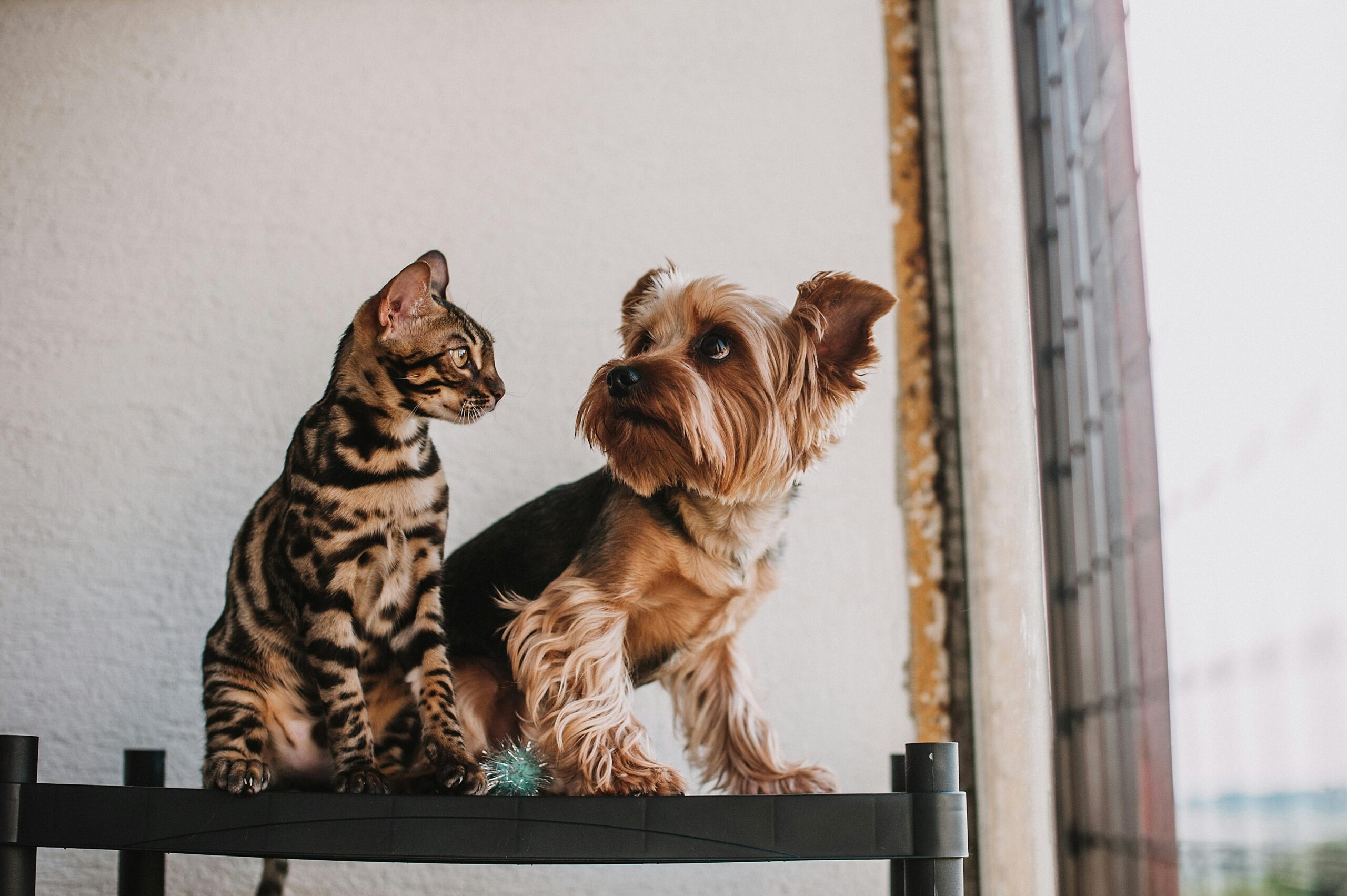
Warm summer days can be enjoyable for both pets and their owners, but rising temperatures can also create serious health risks for animals. Dogs and cats do not regulate heat the same way humans do. They rely heavily on panting and limited sweat glands in their paws to cool down, which means they can overheat much faster.
Every summer, veterinary clinics see cases of heat exhaustion and heatstroke in pets. Many of these situations are preventable with the right precautions. Understanding how heat affects pets and knowing how to keep them safe during hot weather can make a significant difference in protecting their health.
Why Pets Are More Vulnerable To Heat
Dogs and cats cannot cool themselves as efficiently as humans. While people sweat through their skin to regulate body temperature, pets rely mainly on panting to release heat.
Certain pets are especially vulnerable to overheating. Brachycephalic breeds such as Bulldogs, Pugs, and Persian cats have shorter airways that make panting less effective. Older pets, overweight animals, and those with heart or respiratory conditions are also at higher risk.
Even healthy pets can quickly develop heat related illness when temperatures rise, especially during exercise or when exposed to direct sunlight for extended periods.
Recognizing The Signs Of Heat Exhaustion
Early recognition of heat related illness is critical. Heat exhaustion can develop quickly and may progress to life threatening heatstroke if not addressed promptly.
One of the first signs is excessive panting. Dogs may appear restless, drool heavily, or search for cool surfaces to lie on. Their gums may become bright red as body temperature rises.
As the condition worsens, pets may develop vomiting, diarrhea, weakness, or difficulty walking. In severe cases, collapse, seizures, or loss of consciousness can occur.
Cats may show more subtle signs such as rapid breathing, lethargy, or drooling. Because cats tend to hide discomfort, heat stress in cats can sometimes go unnoticed until it becomes serious.
If a pet shows signs of heatstroke, immediate veterinary care is necessary.
Safe Outdoor Activity During Hot Weather
Exercise is important for pets, but it needs to be adjusted during hot summer months. Walking dogs during the coolest parts of the day can help prevent overheating. Early morning and late evening walks are usually safer than midday activity.
Owners should also be mindful of hot pavement. Asphalt and concrete can become extremely hot in direct sunlight and may burn sensitive paw pads. A simple test is placing your hand on the pavement for several seconds. If it feels too hot for your hand, it is likely too hot for your dog’s paws.
During outdoor activity, always bring fresh water and take frequent breaks in shaded areas. Shorter walks with time to cool down are safer than long periods of exercise in the heat.
Keeping Pets Cool At Home
Providing a cool and comfortable indoor environment is one of the most effective ways to protect pets during hot weather.
Make sure pets have access to fresh water at all times. Placing multiple water bowls around the home can encourage hydration.
Air conditioning or fans can help maintain a safe indoor temperature. Cats and dogs often seek out cool surfaces such as tile floors when temperatures rise, so ensuring these areas remain accessible can help them regulate their body temperature.
Cooling mats or damp towels can also provide relief for pets during particularly warm days.
Never Leave Pets In Parked Cars
One of the most dangerous situations for pets during summer is being left inside a parked vehicle. Even on mild days, the temperature inside a car can rise rapidly within minutes.
Cracking the windows does not provide enough ventilation to prevent dangerous heat buildup. Interior temperatures can reach life threatening levels quickly, placing pets at extreme risk of heatstroke.
If errands require leaving the car, it is always safest to leave pets at home where they can stay cool and comfortable.
Special Considerations For Cats
Many people assume cats are less affected by heat because they are often indoors, but cats can still experience heat related stress.
Cats that spend time outdoors should have access to shaded areas and fresh water. Indoor cats benefit from well ventilated living spaces and areas where they can escape direct sunlight.
Long haired cats may require extra grooming during summer months to remove excess fur and prevent matting, which can trap heat close to the body.
Monitoring your cat’s activity and comfort level during hot days can help prevent overheating.
When To Seek Veterinary Care
If you suspect your pet is suffering from heat exhaustion or heatstroke, immediate veterinary care is essential. Early treatment improves the chances of recovery and helps prevent organ damage.
Symptoms such as extreme panting, vomiting, weakness, confusion, or collapse should always be treated as emergencies.
At Alta Vista Animal Hospital, the veterinary team is available to help evaluate and treat pets experiencing heat related illness. If your dog or cat shows signs of overheating or if you have concerns about keeping your pet safe during summer temperatures, contact Alta Vista Animal Hospital at 604-221-5858. Quick action and proper care can help ensure your pet stays safe and healthy throughout the summer.