
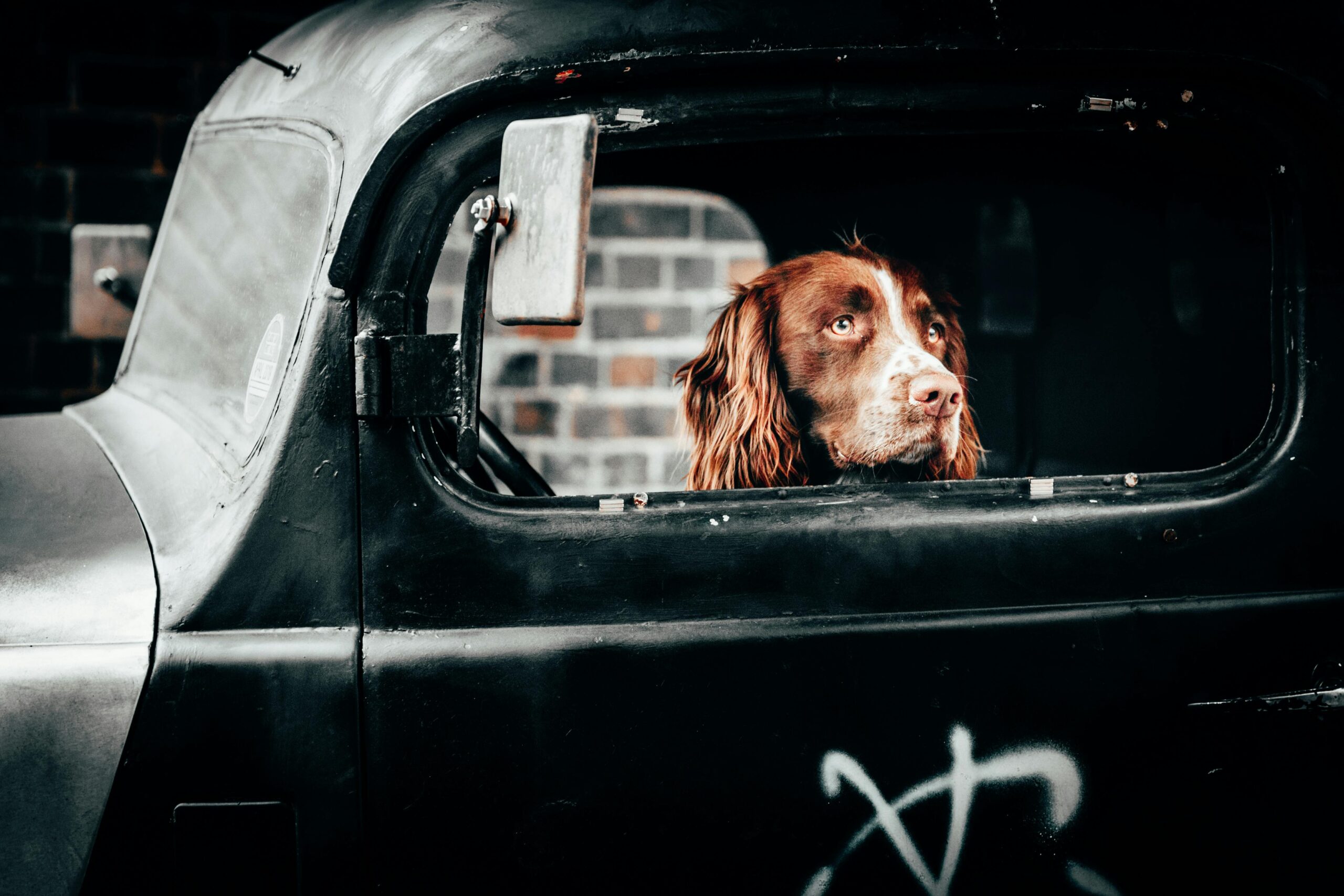
As pets grow older, changes in their bodies happen gradually and often quietly. Many senior pets slow down not just because of age, but due to shifts in how they see, hear, smell, and move. At Alta Vista Animal Hospital, we help pet owners recognize these changes early so aging pets can stay comfortable, confident, and engaged with daily life.
How Aging Impacts Your Pet’s Senses
Vision Changes
Vision loss is common in senior pets and often develops slowly.
You may notice:
- Cloudiness in the eyes, often from age-related lens changes or cataracts
- Hesitation in dim lighting or unfamiliar spaces
- Bumping into furniture or missing steps
While some vision changes are normal, others may signal glaucoma, cataracts, or retinal disease. Regular eye exams help determine what is normal aging versus a treatable condition.
Hearing Loss
Hearing tends to decline gradually, especially in dogs.
Signs include:
- Not responding to their name or familiar sounds
- Sleeping through noises that once woke them
- Startling easily when approached
Hearing loss can affect safety and behavior, but pets adapt well with consistency and visual cues.
Changes in Smell and Taste
Aging can dull a pet’s sense of smell, which plays a major role in appetite and interest in food.
You might notice:
- Reduced enthusiasm for meals
- Picky eating despite no obvious illness
Dental disease, medications, or nasal issues can also contribute, making veterinary evaluation important.
How Aging Affects Mobility
Joint Stiffness and Arthritis
Mobility issues are one of the most noticeable changes in senior pets.
Common signs include:
- Difficulty rising, climbing stairs, or jumping
- Slower walks or reluctance to exercise
- Limping or stiffness after rest
Arthritis is extremely common in older dogs and cats, even if they do not show obvious pain.
Muscle Loss and Balance Changes
As pets age, they naturally lose muscle mass, which can affect balance and strength.
You may see:
- Wobbliness or slipping on smooth floors
- Trouble maintaining posture when standing
- Fatigue after short activity
These changes increase the risk of falls and injury if not addressed.
Behavioral Changes Linked to Aging
Sensory and mobility changes can affect behavior.
Some pets may:
- Become more anxious or clingy
- Seem withdrawn or less playful
- Show irritability when handled
These shifts are often related to discomfort, confusion, or reduced confidence rather than personality changes.
Supporting Your Senior Pet at Home
Small adjustments can make a big difference:
- Provide non-slip rugs or mats on hard floors
- Use ramps or steps for furniture and vehicles
- Maintain a healthy weight to reduce joint stress
- Keep routines consistent to reduce confusion
- Offer softer bedding and warm resting areas
How Alta Vista Animal Hospital Helps Senior Pets
At Alta Vista Animal Hospital, we focus on proactive senior care to maintain quality of life.
Our approach includes:
- Comprehensive wellness exams tailored to aging pets
- Pain management and arthritis treatment plans
- Vision and hearing assessments
- Nutritional guidance for senior needs
- Early detection of age-related disease through diagnostics
Aging is a natural process, but discomfort and loss of independence do not have to be.
If you’ve noticed changes in your pet’s movement or behavior, call Alta Vista Animal Hospital at 604-221-5858 to schedule a senior wellness exam and ensure your pet stays comfortable as they age.